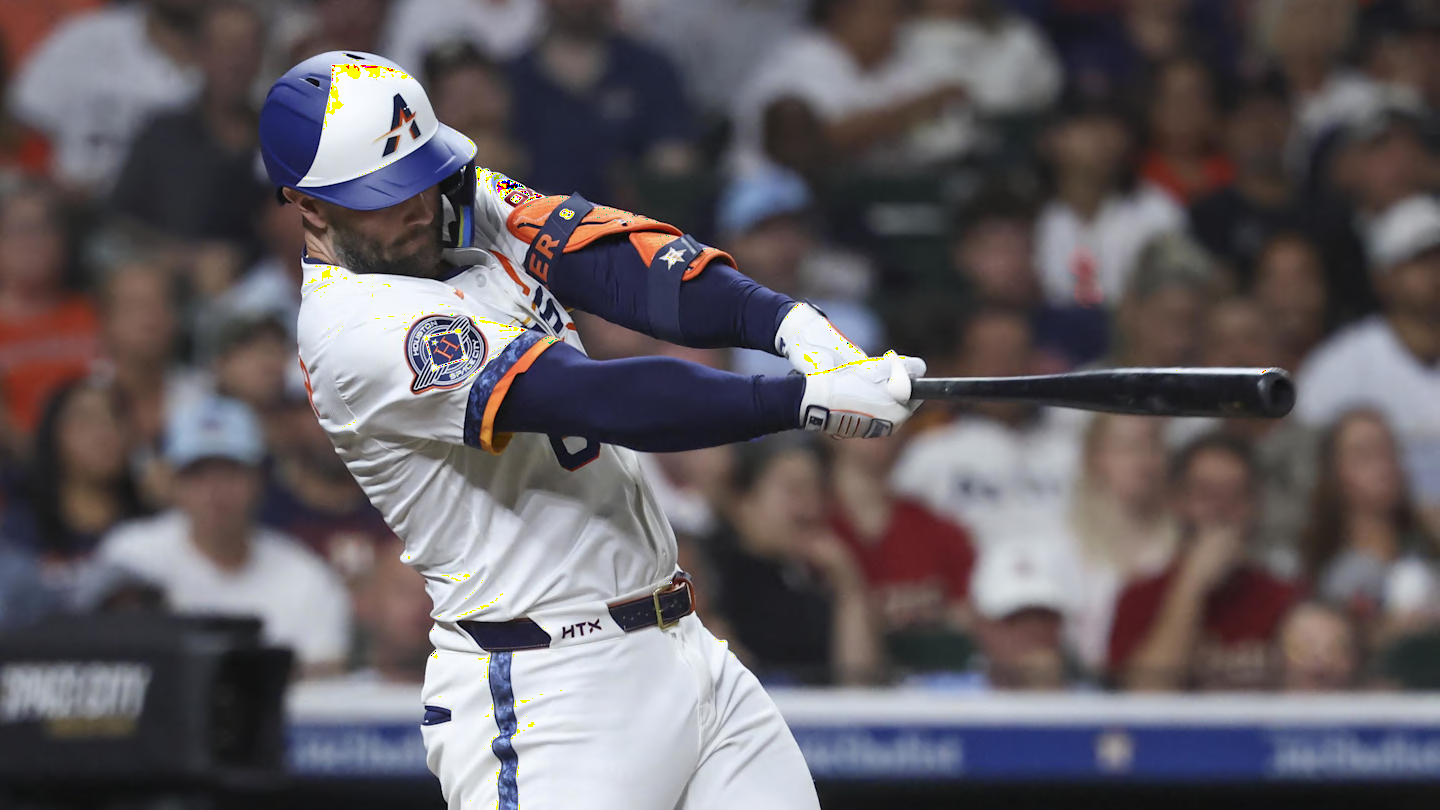
In a recent MLB mock trade simulation, the Houston Astros are projected to send first baseman Christian Walker to the Arizona Diamondbacks. This hypothetical deal highlights possible team adjustments and strategic moves within Major League Baseball.
The trade scenario suggests that the Astros might be looking to bolster their infield defense or acquire additional offensive power, while the Diamondbacks could benefit from Walker's consistent batting performance and defensive skills. Such a move would potentially impact the dynamics of both teams' rosters and their upcoming season strategies.
Christian Walker, known for his power-hitting and reliable fielding, has been a key player for the Diamondbacks. His potential departure could lead to roster adjustments for Arizona, possibly involving prospects or other players in exchange. Conversely, the Astros could see Walker as a valuable addition to their lineup, especially in their quest for postseason success.
While this trade remains speculative, it underscores the ongoing discussions and strategic considerations teams are evaluating as the MLB season progresses. Trades like these, whether real or simulated, reflect the constant evolution of team compositions aimed at maximizing competitive advantage.
Major League Baseball fans and analysts closely watch such mock trades to gauge possible future moves and team directions. The hypothetical exchange of Christian Walker from Houston to Arizona exemplifies the dynamic nature of team management and the importance of roster flexibility in professional baseball.
As the season unfolds, real trade negotiations may mirror or differ from these simulated scenarios, but they always contribute to the excitement and strategic planning that define Major League Baseball.